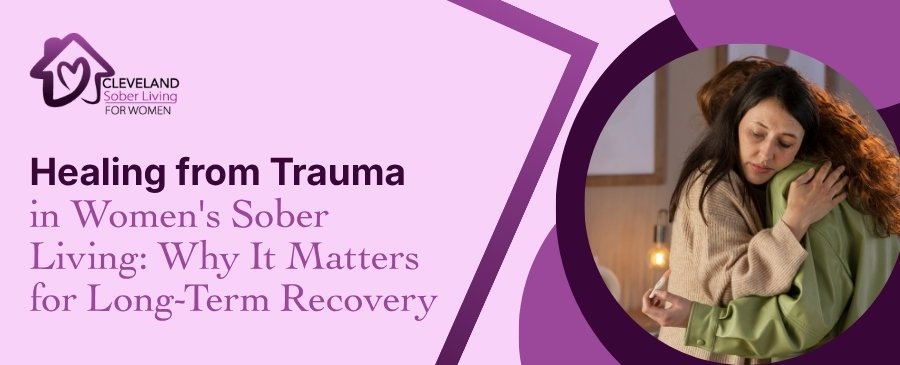
Healing from Trauma in Women's Sober Living: Why It Matters for Long-Term Recovery
Healing from addiction is not just about stopping substance use. For many women, it is also about healing from deep emotional pain. Trauma and women’s recovery are closely connected, and understanding this link is key to long-term success. Women who have experienced trauma often need more than traditional recovery programs. They need safe, supportive environments where both trauma and addiction are treated together.
Why Trauma and Addiction Are Intertwined for Women
Trauma and women’s recovery go hand in hand. Many women turn to drugs or alcohol to cope with painful experiences. These may include abuse, loss, or long-term emotional stress. Substances numb feelings like fear, anxiety, and shame. For a short time, this brings relief. However, trauma changes how the brain works. It keeps the body in a constant state of stress and alertness. This makes it harder to relax or feel safe. Drugs and alcohol may quiet this stress temporarily, but they do not solve the root problem. Over time, the body builds tolerance, and more substance is needed to feel the same effect.
This creates a cycle. Trauma leads to substance use, and substance use makes the trauma worse. Without proper support, this cycle continues for years. That is why addressing trauma is essential in women’s recovery.
The Unique Challenges Women Face
Women often experience trauma differently than men. Many face deeply personal forms of trauma such as domestic violence, sexual abuse, or emotional neglect. These experiences often involve betrayal or loss of trust, which makes healing more difficult.
In addition, women often carry multiple responsibilities. They may care for children, manage households, or deal with relationship challenges. Some women in recovery are also coping with the loss of child custody or strained family connections. These emotional burdens increase stress and make recovery more complex.
Society is often more judgmental toward women with addiction. Labels and stigma create feelings of guilt and shame. This prevents women from seeking help or fully opening up during recovery. Because of these challenges, women benefit from recovery programs that understand their experiences. They need care that is compassionate, supportive, and designed specifically for their needs.
What Trauma-Informed Sober Living Means
Trauma-informed care is a key part of effective recovery. It focuses on understanding a person’s past instead of blaming their behavior. Instead of asking, “What is wrong with you?” it asks, “What happened to you?”
In a trauma-informed women’s sober living home, safety comes first. The environment stays calm, structured, and predictable. Clear rules and routines reduce anxiety and build trust. Staff members respond with empathy and respect. Women live with others who share similar experiences. This shared understanding creates strong bonds. It builds a sense of connection and sisterhood, which is very important in recovery. Feeling supported by others who truly understand makes a strong difference.
At Cleveland Sober Living for Women, the focus stays on creating a safe space where women heal without fear or judgment. This type of environment allows women to begin rebuilding trust in themselves and others.
Healing Trauma While Building Recovery
Healing requires more than staying sober. It involves working through past experiences and building a new way of living. This is why trauma and women’s recovery must be treated together. Therapy plays an important role in this process. Women take part in individual counseling or group therapy. These sessions help them understand their trauma and develop healthy coping skills. Support groups also provide encouragement and a sense of belonging.
Life skills training is another key part of recovery. Women learn how to manage daily responsibilities, build healthy relationships, and plan for the future. For mothers, programs also offer parenting support to help rebuild family connections. Research shows that women who stay in structured, supportive environments for longer periods have better outcomes. They are more likely to maintain sobriety and improve their mental health. They also gain confidence and stability in their daily lives.
Trauma and Women's Recovery: Hope, Healing, and Your Next Step
Recovery is possible for every woman. Trauma and women’s recovery require the right support and a safe environment. A trauma-informed sober living home offer’s structure, care, and understanding. Begin your journey today with Cleveland Sober Living for Women and take the first step toward lasting sobriety and emotional healing.Life skills training is another key part of recovery. Women learn how to manage daily responsibilities, build healthy relationships, and plan for the future. For mothers, programs also offer parenting support to help rebuild family connections. Research shows that women who stay in structured, supportive environments for longer periods have better outcomes. They are more likely to maintain sobriety and improve their mental health. They also gain confidence and stability in their daily lives.
Frequently Asked Questions
Trauma and women's recovery are closely linked because many women use substances to cope with emotional pain. Without addressing trauma, long-term sobriety becomes difficult.
Trauma-informed sober living is a recovery approach that focuses on safety, understanding, and emotional support. It helps women heal from both trauma and addiction in a structured and caring environment.
The length of stay varies, but longer stays lead to better outcomes. Many women benefit from staying several months to build stability, develop coping skills, and support long-term recovery.
Your Life
Belongs to You
Schedule Your Consultation
Our Latest
Blogs