

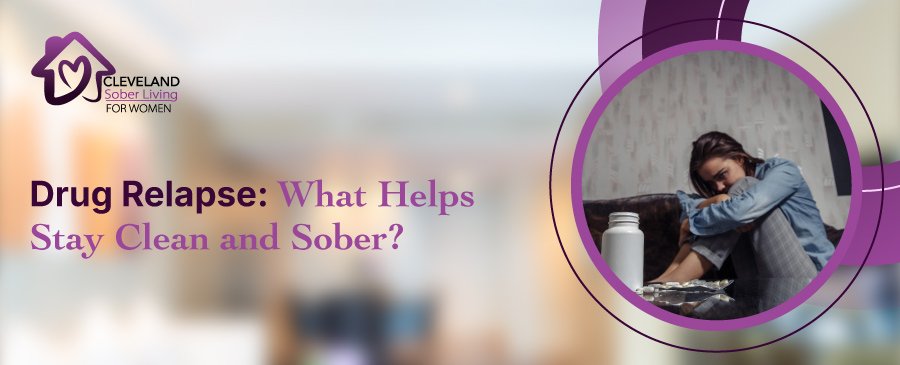
Drug Relapse: What Helps Stay Clean and Sober?
We first need to understand relapse well. Just having cravings for a substance is not a relapse – cravings are simply a standard symptom of early recovery. Remember, there are relapses of some chronic diseases like high blood pressure and asthma, with higher relapse rates. A true drug relapse is a multi-stage process that typically moves from emotional vulnerability to mental bargaining before any physical substance is ever touched.
Slightly off-topic, but deeply relevant to those who cannot seem to quit drugs because they are managing past trauma or using substances to relieve their anxiety: Hypothetically speaking, imagine you are struggling to avoid a drug relapse;
If it’s connected to your emotions or past, first figure out what is really causing you the trouble. Is it really worth even thinking about? If you already know the exact issue, make steps to solve it and start working on it instead of just thinking about it.
And about controlling yourself from that addiction – it starts with small steps and realtime control. As the Clean and Sober movie suggests, it starts from a second, then minutes, hours, and years. This is quite applicable – try to start this from today. And believe, you can.
Back to the core topic – drug relapse is more common than most people think. Here’s what the research actually says;
Drug Relapse
The drug relapse definition is straightforward: it is the return to substance use after a period of abstinence, once a person has made genuine progress in recovery.
But here’s where people get confused – a craving is not a relapse.
Feeling a strong urge to use again is normal. It’s what the brain does after addiction has rewired its reward pathways. A craving passes. A relapse is when a person actually returns to using — not just thinks about it.
A relapse also isn’t the same as a one-time slip. Clinically, it refers to a return to a full pattern of addictive use, not a momentary lapse in judgment.
What Percent of Drug Addicts Relapse After Rehab?
The numbers are sobering. According to NIDA (National Institute on Drug Abuse), 40 to 60 percent of people in addiction recovery will experience at least one relapse. Some studies put the figure even higher — closer to 70 to 90 percent having at least one episode.
For specific substances, the rates climb sharply:
- Opioids and heroin: relapse rates of 80 to 95 percent within the first year
- Alcohol: up to 80 percent relapse within the first year after treatment
- Cocaine: roughly half of those in recovery relapse within a year of detoxification
Within the first year after leaving a treatment center, up to 85 percent of people return to substance use in some form. After five years of sustained sobriety, that rate drops to below 15 percent — which tells us something important: time and ongoing support genuinely matter.
To put it in perspective: these relapse rates are comparable to other chronic conditions. People with hypertension or asthma who stop following their treatment plan show similar non-adherence rates. Addiction is a chronic brain condition, not a failure of character.
Common Signs of Drug Relapse
One of the most important things to understand about drug relapse is that it rarely happens suddenly. It builds, means the person just won’t get back to the drugs routine right away, instead, they will first be trapped in emotional relapse, followed by mental, and eventually leading to physical drug relapse.
Recognizing the signs of drug relapse early is what gives a person the chance to stop it.
Stage 1: Emotional Relapse
At this stage, the person isn’t thinking about using. But their emotions and behaviors are quietly setting the stage.
- Warning signs include:
- Isolating from friends, family, or support groups
- Bottling up emotions rather than talking about them
- Disrupted sleep and poor eating habits
- Mood swings, irritability, and growing anxiety
- Neglecting basic self-care
This stage is easy to miss because there are no thoughts of drug use yet.
Stage 2: Mental Relapse
Now the internal battle begins. The person starts thinking about using again — often romanticizing past use, recalling the “good times,” and minimizing the consequences.
Key warning signs:
- Obsessive thoughts about drugs or alcohol
- Bargaining self-talk (“just once,” “I can control it now,” “only on weekends”)
- Revisiting people, places, or memories connected to past use
- A growing internal conflict between wanting to stay sober and wanting to escape
This is a critical window. Acting here — reaching out, attending a session, calling a sponsor — can prevent what comes next.
Stage 3: Physical Relapse
This is when a person actually uses again. It is the final stage, not the beginning. By this point, emotional and mental relapse have usually already played out over days, weeks, or even months.
A physical relapse can start as a single-use “slip” or escalate quickly back into full addiction patterns, depending on the substance and the person’s circumstances.
Did you know?
Cognitive behavioral therapy (CBT), offered by rehab centers like Cleveland Sober Living for Women, helps people identify their triggers and develop responses that don’t involve substances.
Why Do Drug Addicts Relapse?
Understanding why drug addicts relapse requires understanding what addiction does to the brain.
Prolonged substance use alters the brain’s reward system – the circuitry responsible for motivation, memory, and pleasure. Even after a person stops using, these changes don’t instantly reverse.
Common relapse triggers include:
- Stress: Your brain, under pressure, seeks familiar relief. Stress raises cortisol, lowers impulse control, and makes substances feel like a logical solution.
- People and places: Old friends, familiar neighborhoods, or even certain music can activate the brain’s reward circuitry before a person has time to think.
- Negative emotions: Anxiety, loneliness, depression, and anger are among the most consistent drivers of relapse.
- Overconfidence: Feeling “cured” after a period of sobriety and easing off structured support is a well-documented risk factor.
- Family conflict and social pressure: Studies show that intra-family tension and friendships with people still using are among the strongest predictors of relapse.
- Untreated mental health conditions: Many people with addiction also live with anxiety, depression, or trauma. Without treating both, recovery remains fragile.
Relapse doesn’t “just happen.” It follows a trail of unmet emotional needs, avoided conversations, and unaddressed triggers.
Is Drug Treatment Alone Enough?
Rehab is essential. But it is not, by itself, sufficient for most people.
Addiction affects the brain’s structure and function in ways that outlast any short treatment period. Individuals who spent only one to three months in treatment were found to relapse significantly more often than those who received longer, more sustained care.
Treatment that addresses only the physical dependence — without also working through the psychological, social, and environmental factors — leaves most of the problem unresolved. Co-occurring conditions like depression or PTSD, if not treated alongside addiction, continue to fuel the cycle.
The Bottom Line
Drug relapse is not a sign that someone is hopeless or that treatment failed. Studies show that up to 60% of drug addicts can have at least one relapse, just like some chronic diseases.
Recovery requires healthy coping skills, a safe environment, honest relationships, and consistent support. People who don’t have such people around may find it more useful to join the best sober houses around them, may it then be Cleveland Sober Living for Women or any other.
The earlier the warning signs are recognized, the better the chances of steering away from full relapse. That starts with knowing what to look for.
Disclaimer: This article is for educational purposes only and is not a substitute for professional medical advice or treatment. If you or a loved one are in crisis, please contact a healthcare provider or a recovery helpline immediately.
Your Life
Belongs to You
Schedule Your Consultation
Our Latest
Blogs