

What Are Synthetic Opioids? Everything You Need to Know
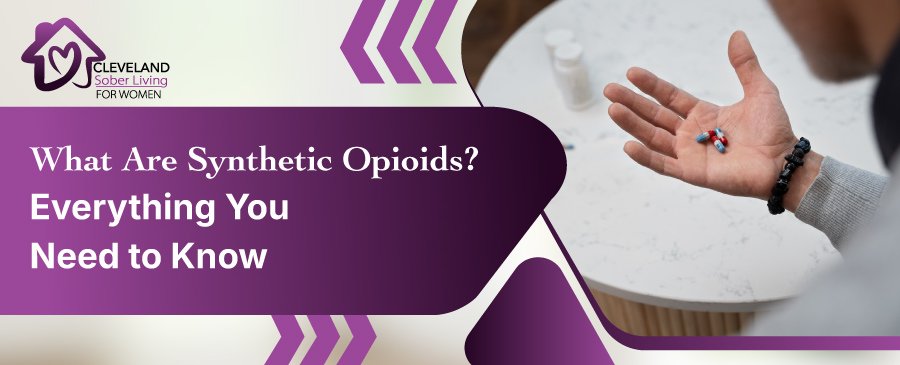
Opioids are a broad class of natural, semi-synthetic, and synthetic substances that bind to specific receptors in the brain and nervous system to block pain signals. Synthetic opioids play a vital role in modern medicine, helping manage severe pain and support addiction treatment. At the same time, illegally manufactured synthetic opioids have fueled a sharp rise in overdoses, making the illicit drug supply more dangerous than ever. Understanding what synthetic opioids are, how they’re used, and why substances like nitazenes are raising concern can help you better recognize the risks.
At Cleveland Sober Living for Women, we provide a safe, supportive sober living environment for women recovering from opioid and substance use disorders, empowering them to build a healthier, substance-free future. Along with stable housing, we connect residents with essential recovery services, including Intensive Outpatient Program (IOP) case management, CPST, Peer Recovery Services, TBS, Psychosocial Rehabilitation, and General Services, helping women build the skills, support system, and confidence needed for lasting recovery.
Classes of Opioids
Opioids are commonly grouped based on how they are produced.
- Natural Opioids (Opiates):
These are derived directly from the opium poppy. Examples include Morphine, Opium, Thebaine and Codeine. - Semi-Synthetic Opioids: Created in laboratories by chemically modifying natural opiates. Examples include Oxycodone, Oxymorphone, Hydrocodone, and Hydromorphone and Heroine.
- Synthetic Opioids: These opioids are created entirely in laboratories. Examples include Fentanyl, Methadone, Tramadol, Meperidine, Tapentadol and Nitazenes.
What Are Synthetic Opioids?
Synthetic opioids are laboratory-made drugs that act on the same brain receptors as natural opioids to relieve pain. Unlike morphine and codeine, which are derived from the opium poppy, synthetic opioids are produced entirely through chemical processes.
The synthetic opioids list includes fully laboratory-made drugs that act on opioid receptors, with some approved for medical use under professional supervision and others encountered illicitly. Medically approved examples include fentanyl, methadone, meperidine, tramadol, and loperamide, each used for specific healthcare purposes.
Examples of Synthetic Opioids
Synthetic opioids include both prescription medications used to treat pain and illicit substances that have contributed to the opioid overdose crisis. Here are some of the most well-known examples:
Fentanyl
Fentanyl is a highly potent synthetic opioid used to treat severe pain, especially after surgery or for advanced cancer. Illicitly manufactured fentanyl, however, is a major driver of overdose deaths because it is often mixed into counterfeit pills and illegal drugs.
Methadone
Methadone is a long-acting synthetic opioid used to treat chronic pain and opioid use disorder. When prescribed as part of a treatment plan, it helps reduce cravings, manage withdrawal symptoms, and support long-term recovery.
Tramadol
Tramadol is prescribed to relieve moderate pain. Although it is generally less potent than fentanyl, it still affects the brain’s opioid receptors and should be taken only as directed because misuse can lead to dependence.
Nitazenes
Nitazenes are illicit synthetic opioids with no accepted medical use in the United States. Their extreme potency and presence in counterfeit drugs have made them an emerging public health threat due to the high risk of overdose.
Nitazenes: Why Experts Are So Concerned
What Are Nitazenes?
Nitazenes are highly potent synthetic opioids that have recently emerged in the illicit drug supply. Although they were originally developed during research into pain medications, they were never approved for medical use because of their serious safety risks.
How Powerful they are?
They are far more potent than morphine, with some compounds estimated to be 70 to 500 times stronger. Even a very small amount can slow breathing, cause unconsciousness, and lead to a fatal overdose.
Why Are they Classified as Schedule I?
The U.S. Drug Enforcement Administration (DEA) classifies most nitazenes as Schedule I because they have a high potential for abuse and no accepted medical use in the United States. Their growing presence in the illicit drug supply has made them a major public health concern.
Why Are Nitazenes a Public Health Concern?
They are often mixed with fentanyl or counterfeit pills without a person’s knowledge, increasing the risk of accidental overdose. Their extreme potency makes them especially dangerous, and some overdoses may require multiple doses of naloxone for reversal.
If you or a loved one is recovering from opioid addiction, Cleveland Sober Living for Women provides a safe, supportive environment with recovery-focused services to help build a healthier, substance-free future. Contact us today to learn how we can support your recovery journey.
Fentanyl and Fentanyl Lollipop
Although they are often mentioned together, fentanyl and the fentanyl lollipop are not the same thing. Fentanyl is the medication itself, while the fentanyl lollipop is one of the prescription forms used to deliver it for specific medical conditions.
| Fentanyl | Fentanyl Lollipop (OTFC) |
|---|---|
| A synthetic opioid that is 50–100 times stronger than morphine and is used to treat severe pain. | A fast-acting prescription form of fentanyl in a medicated lozenge on a handle for rapid pain relief. |
| Prescribed for breakthrough cancer pain, during anesthesia, and for pain management after major surgery. | Dissolves in the mouth, allowing fentanyl to be absorbed quickly through the lining of the cheeks instead of the digestive system. |
| Can cause drowsiness, slowed or stopped breathing, addiction, and fatal overdose if misused. | Reserved only for opioid-tolerant cancer patients under close medical supervision because of its high potency. |
Frequently Asked Questions
Opioid drugs, even those prescribed by a doctor, are very addictive and can lead to opioid use disorder. Using any opioids for their euphoric effect, even for a short time, raises the risk of substance use disorder, overdose and death.
Call 911 immediately and administer naloxone if it is available. Even if the person wakes up, emergency medical care is still essential because the effects of some opioids can return after naloxone wears off.
Yes. Recovery is possible with the right treatment, ongoing support, and a structured recovery plan. Many people achieve long-term sobriety through a combination of medical care, counseling, and supportive recovery services.
Recovery doesn't end when treatment is over. Many people continue their journey in a sober living home, such as Cleveland Sober Living for Women, or through ongoing support services like intensive outpatient programs (IOP), peer recovery, case management, counseling, and psychosocial rehabilitation.

Your Life
Belongs to You
Schedule Your Consultation
Our Latest
Blogs