

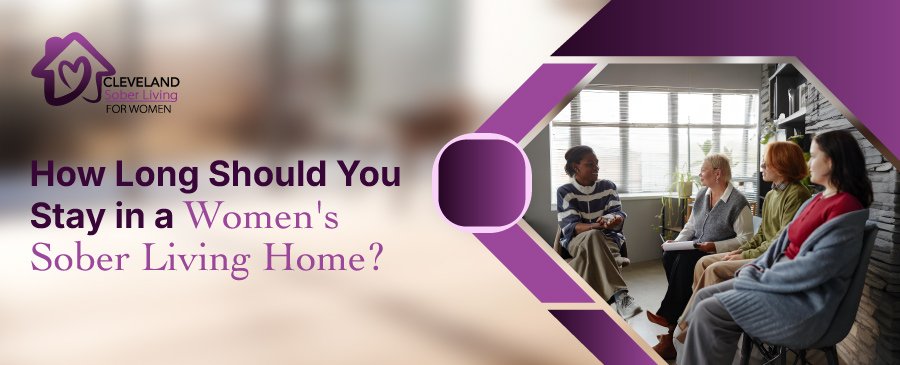
How Long Should You Stay in a Women's Sober Living Home?
One of the most common questions women and their families ask when considering Sober Living in Cleveland is: “How long should I stay?” It’s a practical concern everyone wants to know what to expect, how to plan, and when they’ll be ready to live independently again. The answer isn’t one-size-fits-all, but research and clinical experience provide clear guidance on how long to stay in sober living for the best chance at lasting recovery. This guide explains the recommended timeframes, factors that influence your stay, and how to know when you’re truly ready to transition to independent living.
The Minimum: 90 Days Is Just the Beginning
The absolute minimum recommended stay in a women’s sober living home is 90 days (3 months). This isn’t an arbitrary number. It is based on decades of addiction research showing that the brain needs at least 90 days to begin healing from the effects of substance use.
During the first three months in sober living:
- Your brain chemistry starts rebalancing without substances
- New healthy habits begin replacing old destructive patterns
- You develop initial coping skills for triggers and cravings
- Your body physically recovers from the damage of addiction
- You start building a foundation of accountability and structure
However, 90 days is truly just the beginning. While your brain starts healing at this point, you haven’t yet faced enough real-world challenges to solidify your recovery skills. Most women who leave sober living after only 90 days face significantly higher relapse rates than those who stay longer.
The Sweet Spot: 6 to 12 Months for Stronger Recovery
Research consistently shows that women who stay in sober living for 6 to 12 months have dramatically better long-term recovery outcomes. Here’s why this timeframe matters:
6 Months Allows You to Face Real Challenges
At six months, you’ve experienced:
- Multiple triggering holidays and celebrations sober
- Stressful life events without turning to substances
- Relationship conflicts resolved through healthy communication
- Financial pressures managed without old coping mechanisms
- Various seasons and their associated triggers
Each of these experiences strengthens your recovery toolkit. You’re not just avoiding substances; you’re actively learning to live a full life without them.
12 Months Solidifies New Patterns
By one year, recovery behaviors become genuine habits rather than conscious efforts. You’ve:
- Celebrated a full year of sobriety milestones
- Developed a strong support network in Cleveland’s recovery community
- Proven to yourself you can handle life’s ups and downs sober
- Built employment history, financial stability, and rebuilt relationships
- Integrated recovery principles into your identity, not just your actions
At Cleveland Sober Living, many of our most successful residents stay 9 to 18 months. This extended time allows them to build truly solid foundations for independent living.
Long-Term Stays: 18+ Months for Complex Situations
Some women benefit from staying in sober living for 18 months to 2 years or longer. This extended timeframe is particularly helpful for women who:
- Have experienced multiple relapses in the past
- Are rebuilding their lives from significant consequences (legal issues, loss of custody, homelessness)
- Have co-occurring mental health conditions requiring ongoing treatment
- Lack strong family support or safe housing options outside sober living
- Are working through trauma that contributed to their addiction
- Want to pursue education or career training while maintaining recovery support
There’s no shame in a longer stay. In fact, choosing to stay longer demonstrates wisdom, self-awareness, and commitment to doing recovery right rather than rushing the process.
Factors That Influence How Long You Should Stay
When determining how long to stay in sober living, consider these personal factors:
Your Substance Use History
Women with longer histories of addiction or multiple substances typically benefit from longer stays. Your brain needs adequate time to heal, and that timeline varies based on what you used and for how long.
Previous Relapse History
If you’ve tried recovery before and relapsed, a longer sober living stay helps break that pattern. Each relapse teaches you something, but staying longer gives you time to apply those lessons.
External Support System
Do you have family and friends who support your recovery? Or will returning home mean facing people who still use substances? Women with weaker external support systems benefit enormously from extended sober living stays.
Housing and Employment Stability
Leaving sober living before securing stable employment and safe housing is a recipe for relapse. Stay until you’ve built real financial stability and identified a safe, sober place to live.
Mental Health Treatment Progress
If you’re working through trauma, depression, anxiety, or other mental health conditions, coordinate your sober living departure with your therapist’s recommendation. Don’t rush this process.
Personal Comfort and Readiness
Some women simply know they need more time. Trust your gut. If you don’t feel ready, you probably aren’t. At Cleveland Sober Living, we support residents in staying as long as they need to feel truly prepared.
Signs You're Ready to Leave Sober Living
How do you know when you’ve stayed long enough? Look for these indicators:
- 90+ days of consistent sobriety with no close calls or major cravings
- Strong support network including recovery meetings, sober friends, and possibly a sponsor
- Stable employment or education providing structure and purpose
- Safe, sober housing identified where you won’t face triggers or substance use
- Healthy coping skills demonstrated through navigating stressors without relapse
- Financial stability with savings and ability to manage bills independently
- Completion of treatment goals discussed with your therapist or counselor
- Confidence in your recovery without needing constant external accountability
Even when these indicators are present, transitioning gradually is smart. Some women step down from full-time sober living to less structured environments before complete independence.
Cleveland Sober Living Supports Long-Term Recovery
We believe women should stay as long as they need to build sustainable, lasting recovery. Our long-term residents often become mentors to newer women, creating a community where everyone supports each other’s journey.
The question isn’t “How fast can I leave?” but “How strong can I become before I leave?”
Recovery is a marathon, not a sprint. Give yourself the gift of time.
Frequently Asked Questions
Lorem ipsum dolor sit amet, consectetuer adipiscing elit. Aenean commodo ligula eget dolor. Aenean massa. Cum sociis natoque penatibus et magnis dis parturient montes, nascetur ridiculus mus. Donec quam felis, ultricies nec, pellentesque eu, pretium quis, sem. Nulla consequat massa quis enim. Donec pede justo, fringilla vel, aliquet nec, vulputate eget, arcu.
Lorem ipsum dolor sit amet, consectetuer adipiscing elit. Aenean commodo ligula eget dolor. Aenean massa. Cum sociis natoque penatibus et magnis dis parturient montes, nascetur ridiculus mus. Donec quam felis, ultricies nec, pellentesque eu, pretium quis, sem. Nulla consequat massa quis enim. Donec pede justo, fringilla vel, aliquet nec, vulputate eget, arcu.
Lorem ipsum dolor sit amet, consectetuer adipiscing elit. Aenean commodo ligula eget dolor. Aenean massa. Cum sociis natoque penatibus et magnis dis parturient montes, nascetur ridiculus mus. Donec quam felis, ultricies nec, pellentesque eu, pretium quis, sem. Nulla consequat massa quis enim. Donec pede justo, fringilla vel, aliquet nec, vulputate eget, arcu.
Your Life
Belongs to You
Schedule Your Consultation
Our Latest
Blogs